A new species of calm · arriving Q4 2026

Meet vuvu.
Find your calm.

A soft tactile companion that stays close, responds to your touch, and makes room for a quieter moment.

See how vuvu works
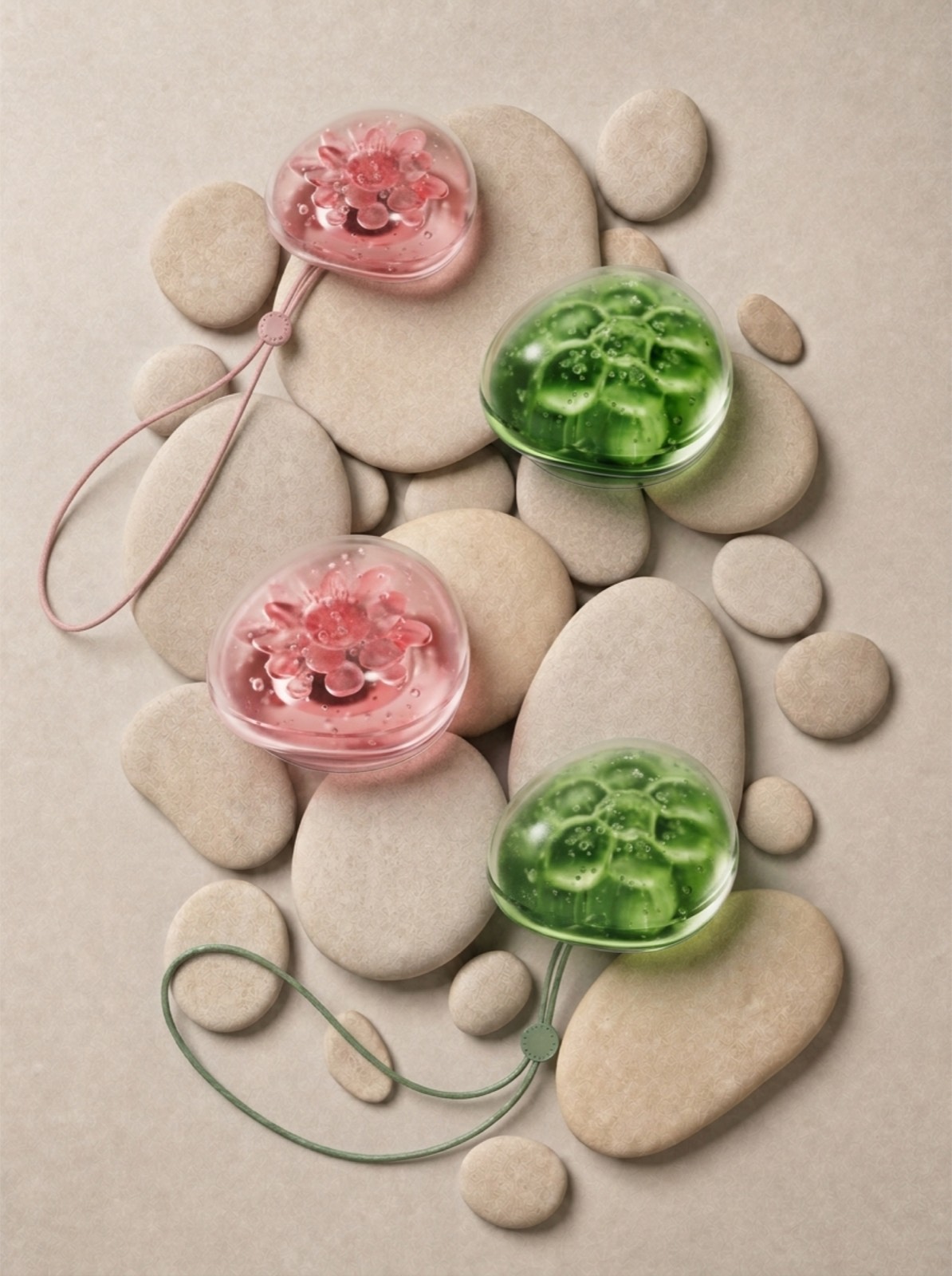
Pink and green vuvu forms arranged across soft stones
01 · What it is

Two forms.One calming ritual.

Choose the form that fits how you move. Both offer the same soft body and tactile experience.

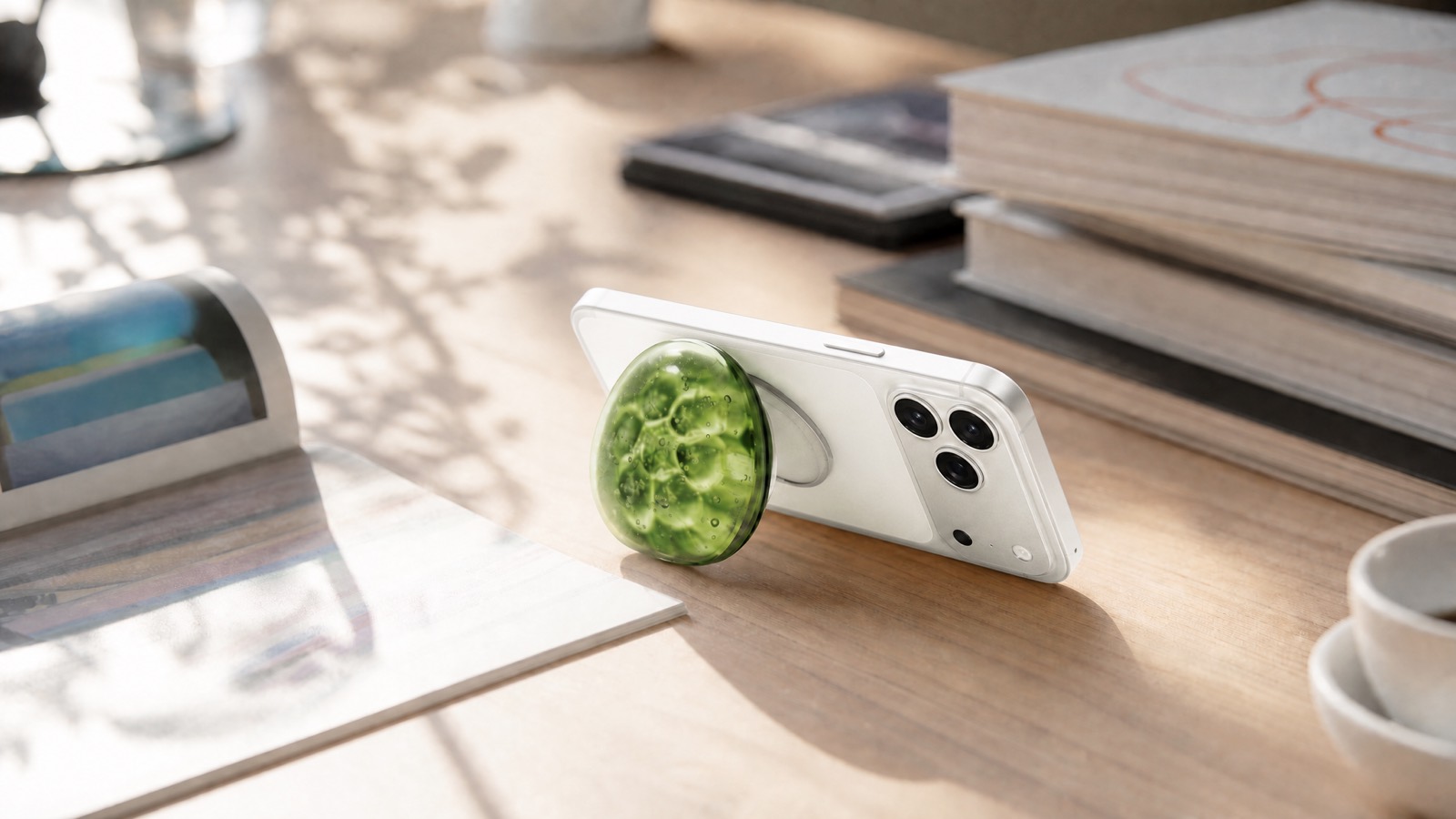
A phone propped upright on the green vuvu, used as a stand on a sunlit desk
MagSafe

Calm on your phone.

Attach it to your phone, use it as a stand, then lift it away whenever your hands need something soft to hold.

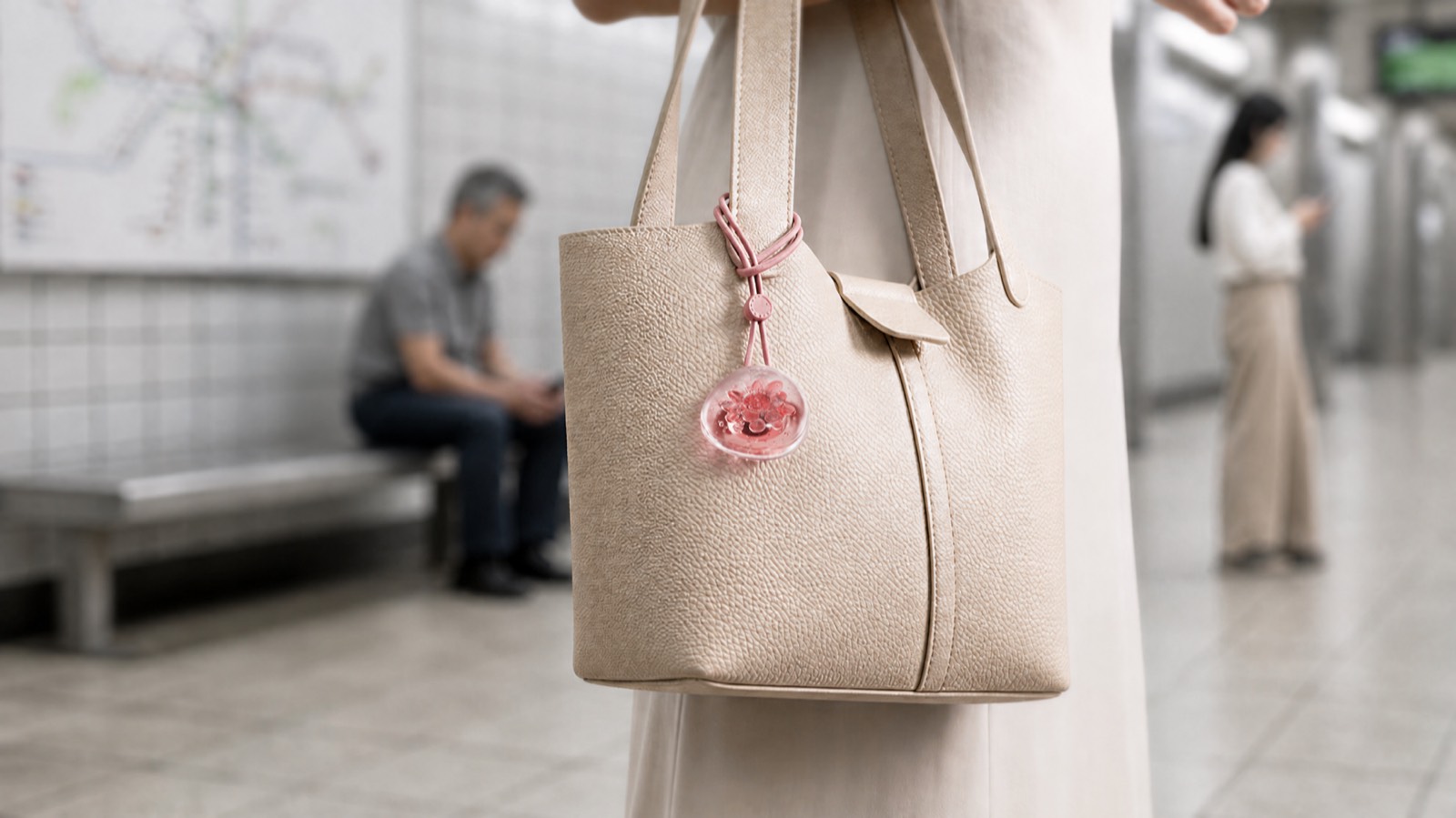
The pink vuvu Lanyard hanging from a tote bag
Lanyard

Calm within easy reach.

Carry vuvu from your wrist or bag, ready to hold whenever your hands feel restless or your attention needs a pause.

02 · How it works

It feels. It responds.It remembers.

One squeeze becomes a private, multisensory moment shaped around your everyday rhythm.

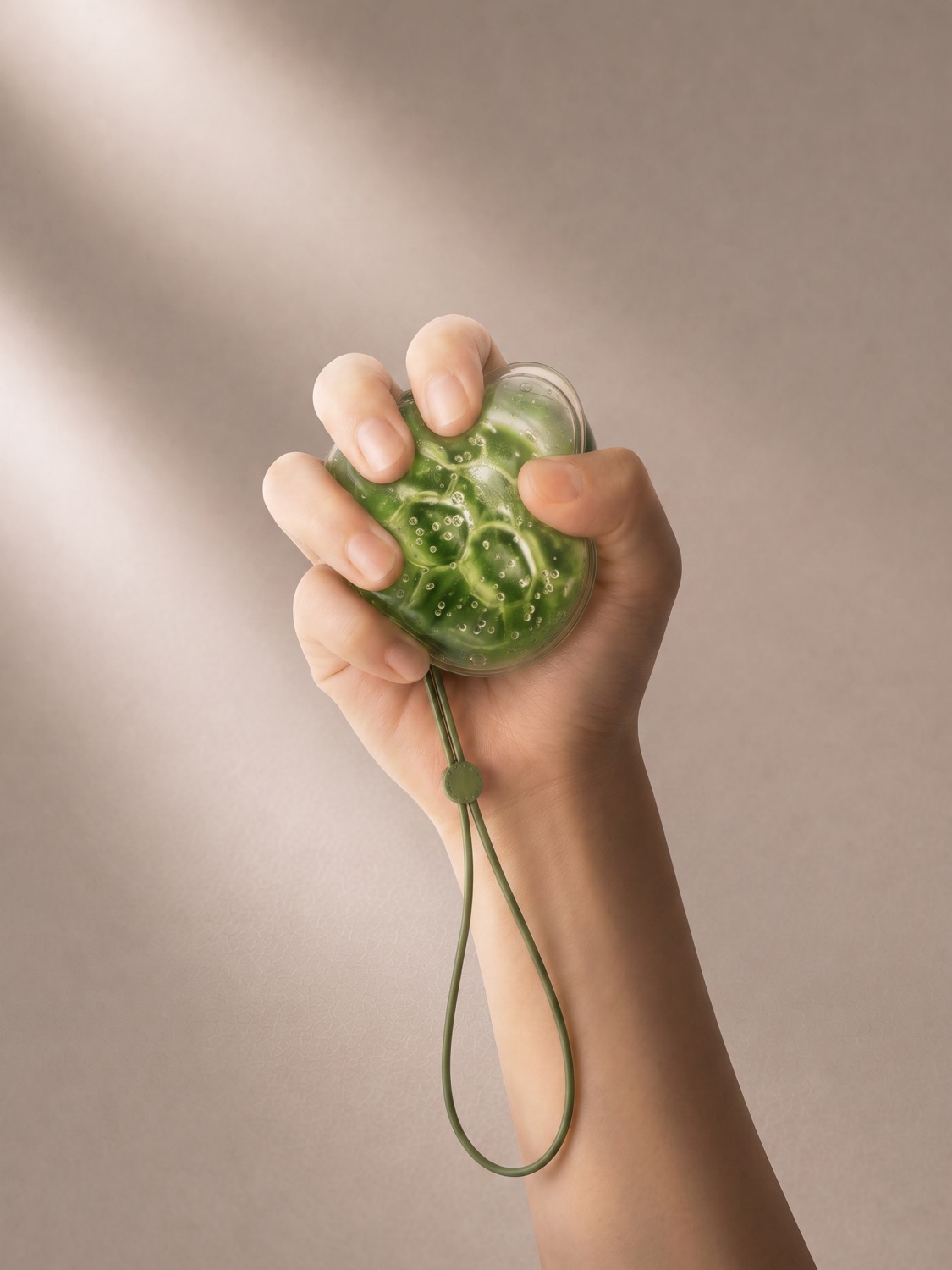
A hand squeezing the green vuvu, lanyard hanging from the wrist
01

It feels.

Three-dimensional squeeze input notices intensity, duration and frequency — not just a tap.

Intensity · Duration · Frequency
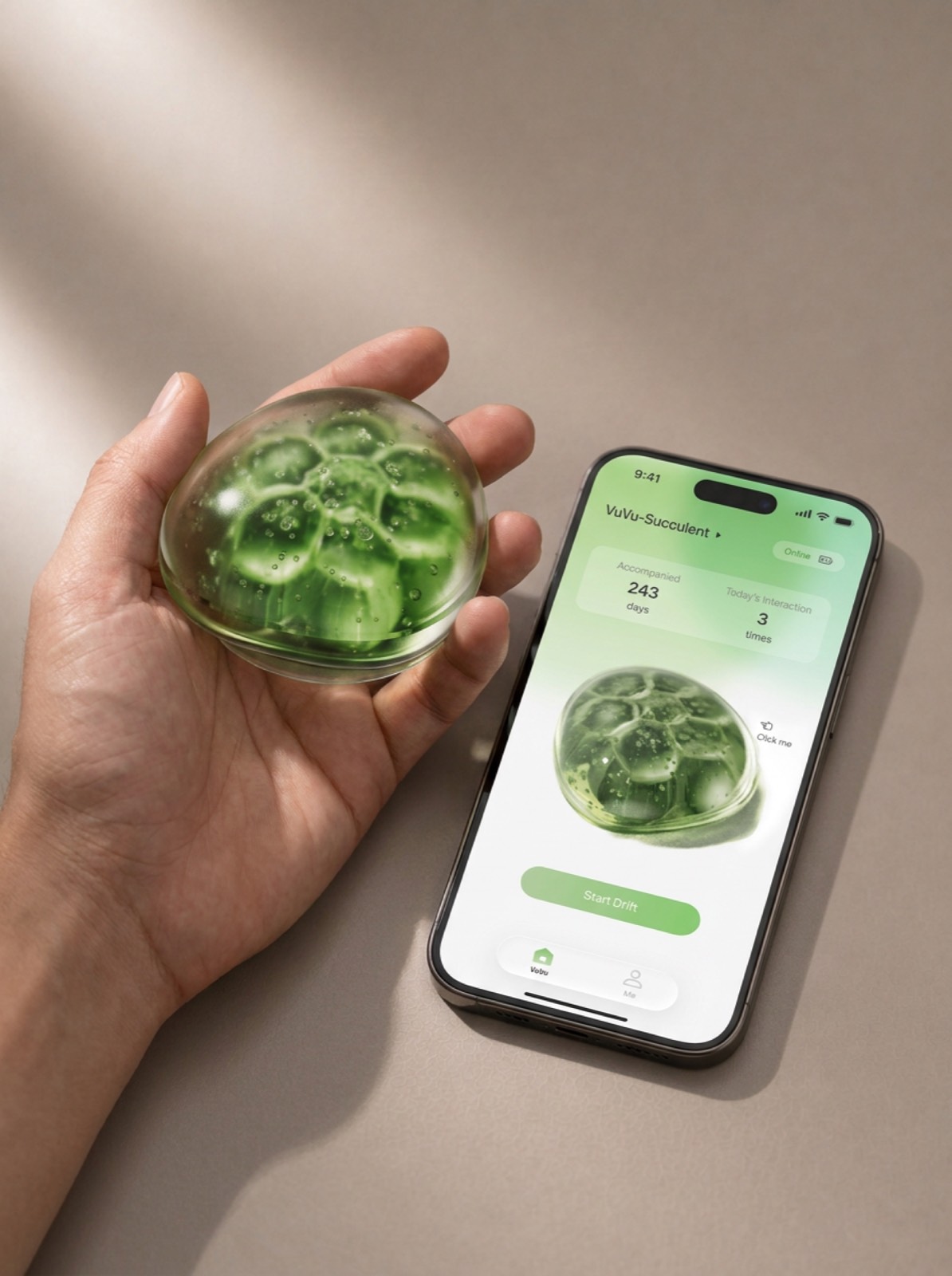
A hand holding vuvu beside the companion app
02

It responds.

vuvu responds in the moment. Every squeeze responds with gentle haptic feedback and a soft glow of light.

Haptic · Light · Sound
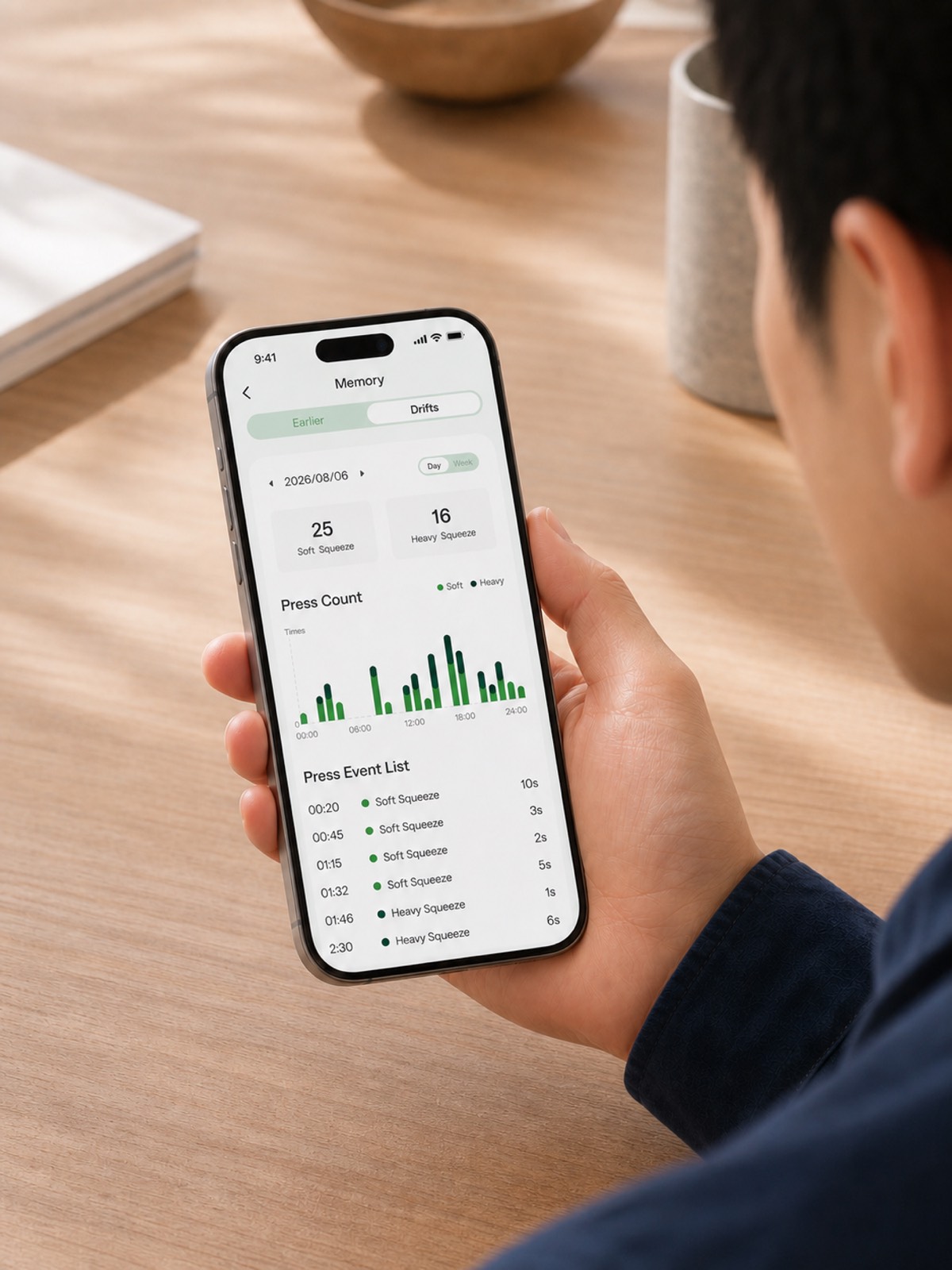
A person reviewing vuvu interaction history in the companion app
03

It remembers.

Your interaction history can help you notice when and how you reach for vuvu, while keeping the experience personal.

Rhythm · Private · Personal
03 · In your day

A softer pause, wherever you are.

Keep vuvu close on your phone or lanyard, then hold and squeeze whenever you want a brief tactile pause.

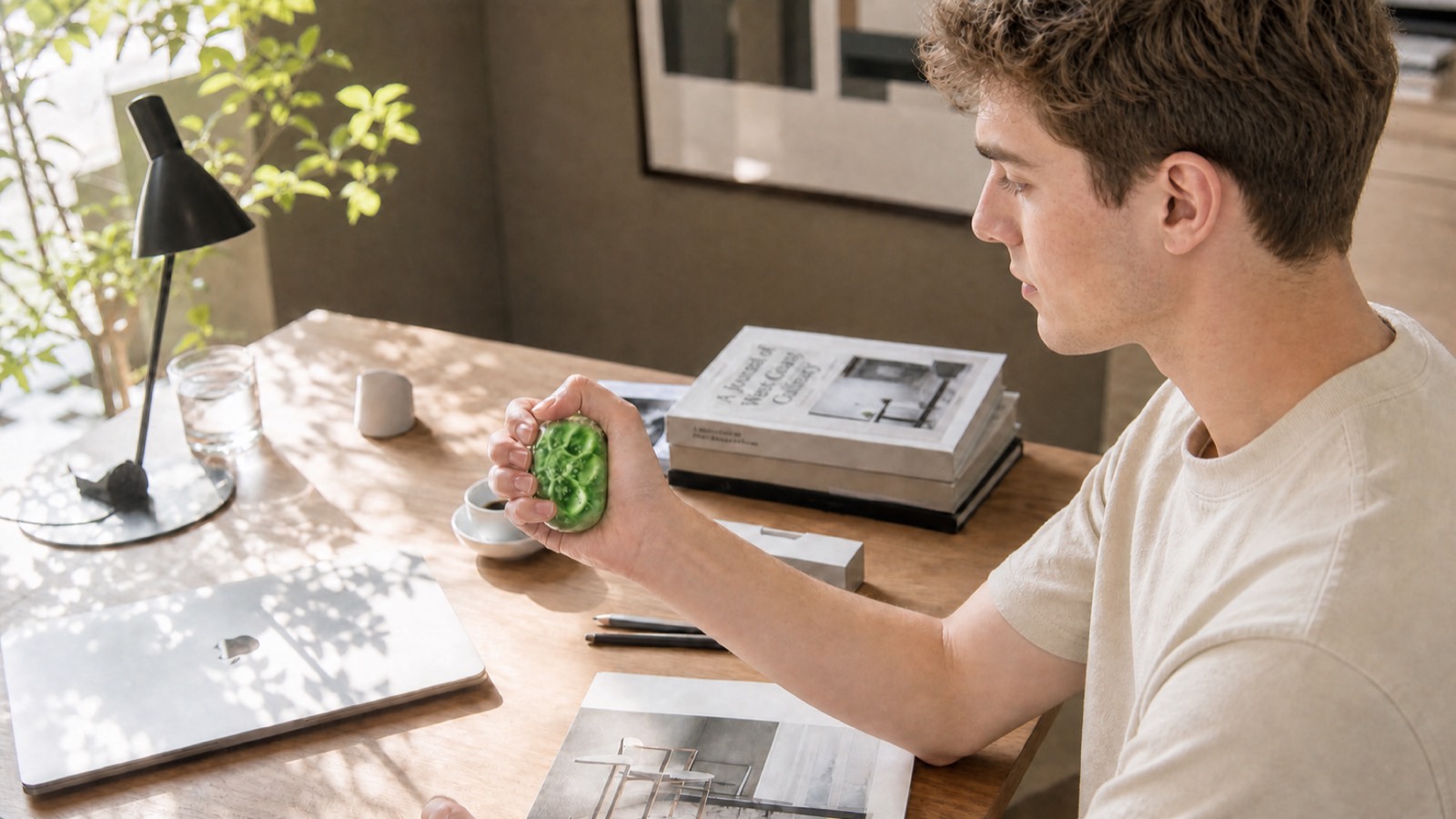
A man using the MagSafe form of vuvu while seated at his desk

At work

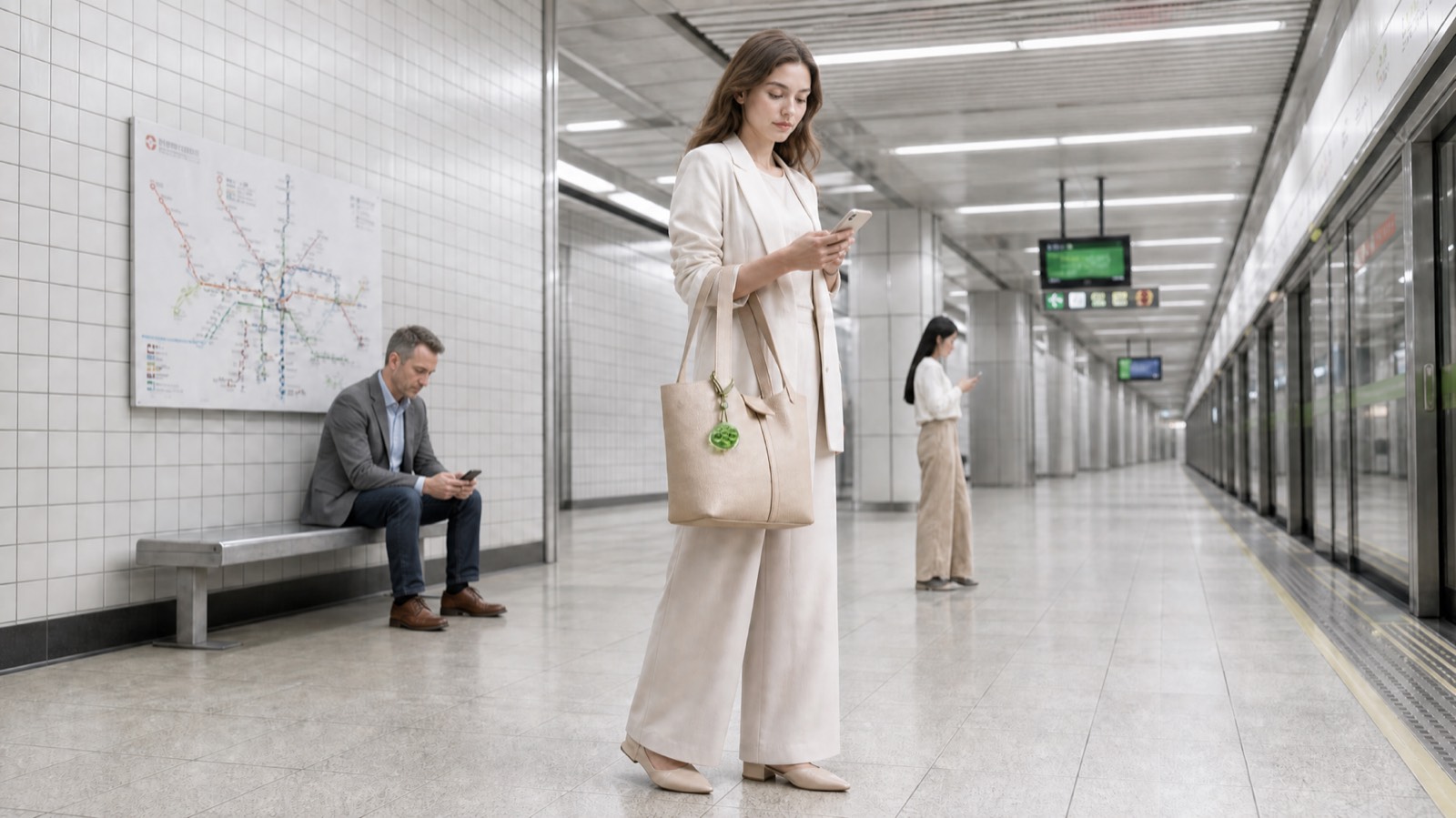
vuvu carried on a bag while commuting

On the move

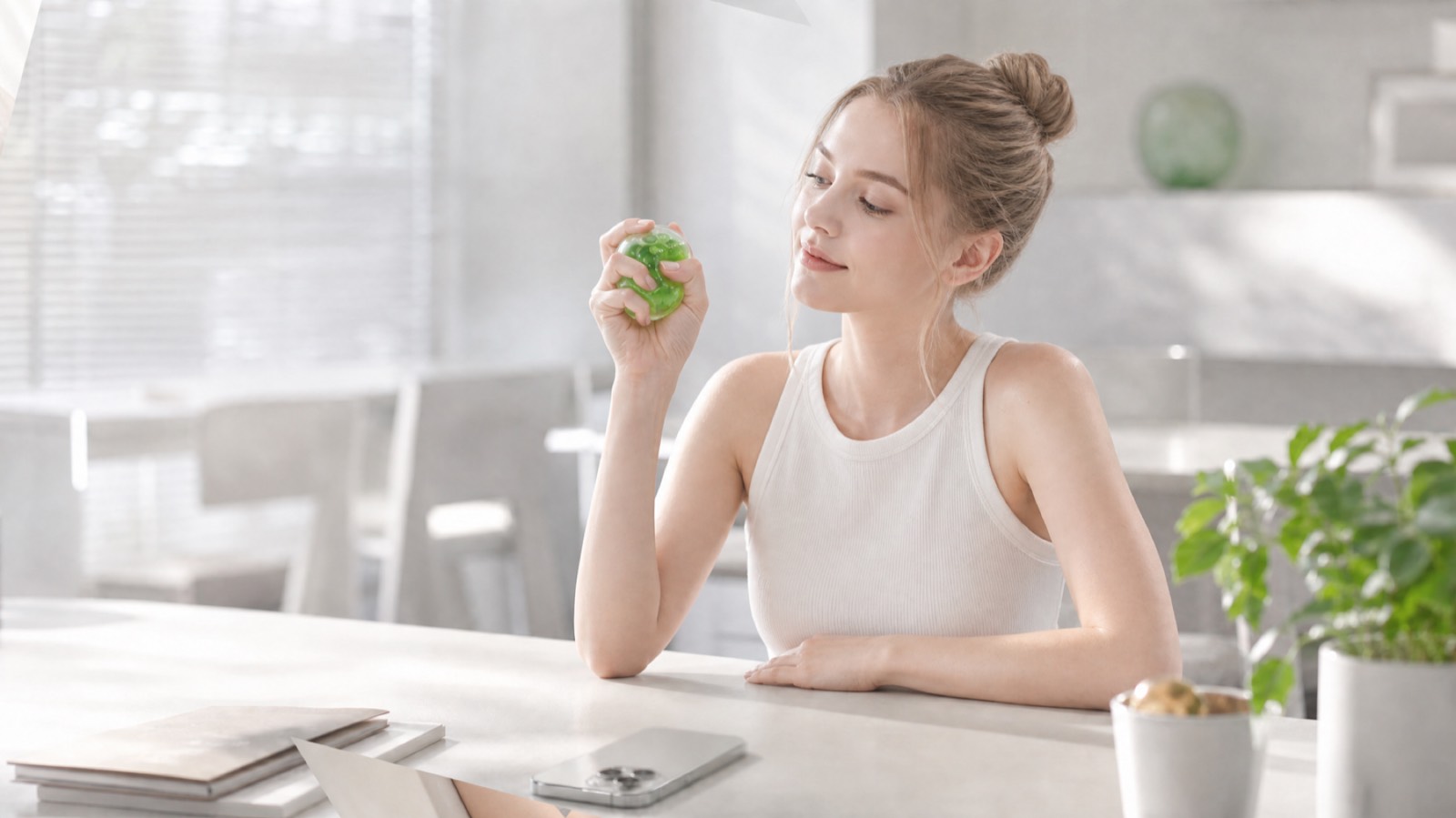
A seated woman holding and squeezing vuvu

Off the clock

04 · Early signals
10 patents

1 invention patent9 utility model patents

Q4 2026

launchingUnited States first

~100

conversationswith people like you

5 cities

Shanghai · Shenzhen · DubaiMadrid · NYC · one small team

05 · FAQ

Questions, answered.

What is vuvu, and how do I use it?

vuvu is a soft-silicone squeeze object for 90-second, screen-free pauses. Pick it up, wrap your whole palm around it, squeeze, and reset.

How big is it?

Approximately 60 × 60 × 30 mm and around 80 g.

Does it work without the app?

Yes. The core touch and feedback experience works on its own. The optional app adds setup and a view of your interaction history. View vuvu on the App Store.

How long does the battery last?

Under typical everyday use, vuvu is designed to last for around five days between charges. Battery life will vary with how often and how long you use it.

When does it ship?

We are launching on Kickstarter, U.S.-first, in Q4 2026. Join the email list and we will tell you the moment the campaign goes live.

Which form should I choose?

Choose MagSafe if you want vuvu to stay with your phone. Choose Lanyard if you prefer to carry it independently on your wrist or bag.

Journal

Notes on touch, calm andeveryday rhythm.

Follow our journey creating vuvu — short field notes on what we learned, and the choices it led to.

How people actually copeTwo dimensions, four modes
On your own
Mind-based
Self-coachingjournaling · planning · self-talk~35%
Self-soothingwalks · runs · music · fidgeting~50%
Guided coachingtherapy · coaching programsa few
Guided soothingmeditation apps · fidget toys · wearables~12–15%
Body-based
With support

Fig. 1 — Positions show relationships, not market share. Percentages are our own preliminary estimate of primary approaches; most people combine several.

FIELD NOTES · 01

Why the pause rarely happens

One pause, two ways inThe screen entrance and the palm entrance, as action paths

The screen entrance

  1. Pick up phone
  2. Unlock screen
  3. Find an app
  4. Choose content
  5. Follow prompts

Every step asks for attention

The palm entrance

  1. Pick up vuvu
  2. Squeeze
  3. Feel a response

It starts from one action

Shown to illustrate design logic. Not a rating of any product.

FIELD NOTES · 02

Why we built vuvu without a screen

About Us

Technology that brings you back to yourself

Around is a small team working across Shanghai, Shenzhen, Dubai, Madrid and New York City, making objects for people whose days are busier than they’d like. We design technology to fit life, not interrupt it.
Shanghai & Shenzhen

Product, engineering
and manufacturing

Dubai

Strategy and GTM

Madrid & NYC

Design and creatives

Field Notes · #1

Why the pause rarely happens

Stress gets measured, explained and analyzed. The harder problem is catching the moment when a pause is actually needed.

It’s not that people don’t know they’re stressed. We know sleep matters, movement helps, breaks are necessary. The hard part is the moment itself — one meeting just ended, the next starts in four minutes, messages are still landing — when there’s neither time nor attention left for a proper routine.

We know we need to pause. In real life, the pause rarely happens.

How people actually cope

Put the common approaches on two dimensions: mind-based (think it through) versus body-based (let the body settle first); and self-directed versus supported by a paid product or professional.

A framework showing four common modes of coping
Fig. 1 — Positions show relationships, not market share. Percentages are our own preliminary estimate of primary approaches; most people combine several.

Most of us live in the top half: walks, runs, music, fidgeting with whatever is at hand — or journaling, planning, self-talk. These work. But they share one trait: they run entirely on willpower, and nothing accumulates. You feel better after the run — and no record ever connects that action to your state over time.

Why the smallest quadrant is the interesting one

In the bottom half, guided coaching — therapy, coaching programs — is clear but heavy: expensive, professional, an appointment on the calendar. And guided soothing — a product that helps the body settle, right there, with some form of response — is the smallest slice, roughly 12–15% by our early research.

Not because the need isn’t real. Because every product in this quadrant solves one piece and stops.

Three product families, one piece each

Comparison of meditation apps, fidget toys and smart wearables
Fig. 2 — A qualitative comparison of need coverage. ◐ means partly; this is not a rating of any product.

Meditation apps hold rich content — but when the screen is itself part of the attention burden, the solution still lives inside the screen. Unlock, find, choose, headphones on: each step spends the one thing a stressed moment doesn’t have.

Fidget and sensory toys give immediate touch — but the feedback never changes, and they’re the easiest thing in the world to leave in a drawer.

Wearables measure beautifully. They can tell you how last night went and what this week’s trend looks like. But knowing what happened and knowing what to do right now are different things. Someone walking out of a hard meeting doesn’t need another chart — they need something they can start in the next ten seconds.

What we think is missing

Look at the three families together and the gap isn’t more features — it’s connection. Something that is always with you, that your hands can reach without a screen, that responds when you use it, and that quietly builds a record over time.

It should work when you have ninety seconds. It should be unremarkable in a meeting room. It should bring attention back from the feed into the body — without turning rest into another task.

To be clear about what this is not: we’re talking about everyday stress management — not diagnosis, not treatment, and no replacement for therapy, movement, sleep, or other people. What it fills is the short, easily ignored gap before any of those can happen.

Starting from a smaller question

Around was started on one small, everyday question: at the exact moment someone is about to pick up their phone again — can their hands find a screen-free way in first?

The vision we hold is simple: help people reconnect with their natural rhythm. We believe getting there means technology has to stop asking for more attention and learn to work in harmony with people — so we begin with people, work with nature and craft with care.

Our first product is a palm-sized object you carry with you. It senses you, and it responds. It’s called vuvu.

In the coming articles: why we chose screen-free, physical and tactile as the starting point; how that direction is becoming an actual form; and the trade-offs we’re making in building and testing it.

Technology that brings you back to yourself.

Field Notes · #2

Why we built vuvu without a screen

Based on more than 100 interviews across markets, we kept narrowing the design of a palm-sized object to three constraints: screen-free, physical and tactile.

One meeting has just ended and the next is about to begin. On the commute, new messages keep appearing. When people want to pause, the most familiar move is often to pick up a phone. But the moment the screen lights up, apps, messages and content choices arrive with it. A pause that only needed ninety seconds can become another decision about where attention should go.

In our previous article, we described a gap: there are already many ways to manage stress, yet the moment when stress is actually happening still lacks an entry point that can begin immediately. Following that question, we kept tightening the product around three words: screen-free, physical and tactile.

These are not ideas added for presentation. They became design constraints through more than 100 interviews with people in different countries and through repeated product testing.

The problem with screens is not only the screen

We asked people when pressure tends to appear and what they do in response. Their countries, professions and daily routines differed, but one wish came up again and again: when they wanted to pause, they did not want to enter another screen.

One participant put it plainly: “something on the phone but not the screen.” Others spend the whole day in front of a computer, so stepping away from work naturally means stepping away from a display. Some had tried meditation and wellness apps, but said that as long as the phone remained in hand, it was easy to leave the current page and open social media, video or another message.

The problem is not a lack of good content. The opposite is true: these apps already offer plenty of useful methods. But when the screen itself has become part of the attention burden, opening it can make a pause harder to begin.

Without an interface, your hands become the entry point

Once the screen is removed, the product needs another interaction that feels natural enough to start without instruction. We chose the squeeze.

There is no menu to learn and no need to label how you feel first. Pick vuvu up, wrap your whole palm around it and squeeze. The object answers through a soft glow and haptic feedback. The person starts the action; the response happens in the hand.

One pause, two ways inThe screen entrance and the palm entrance, as action paths

The screen entrance

  1. Pick up phone
  2. Unlock screen
  3. Find an app
  4. Choose content
  5. Follow prompts

Every step asks for attention

The palm entrance

  1. Pick up vuvu
  2. Squeeze
  3. Feel a response

It starts from one action

Shown to illustrate design logic. Not a rating of any product.

This is what embodiment means to us: not putting a software system into a new hardware shell, but allowing the interaction to happen directly between an object, an action and a response.

Many digital products begin with the question, “What does the user need to see?” We began elsewhere: without looking at a screen, what can the hands do?

A squeeze does not require precise control or new information. It can happen between meetings, at a desk or while commuting. For vuvu, touch is not an extra feature. It is the entrance to the product.

Being there matters more than adding more features

The interviews also surfaced a practical issue. Even a useful object cannot help if it lives on a desk, a bedside table or inside a drawer when the moment arrives. People told us that ordinary stress-relief objects are easy to forget in a bag; others worried that a separate device would eventually become another object left at home.

Responses changed when we showed forms that could stay on the back of a phone or travel with a bag. True portability is not only about being smaller. It is about appearing naturally in the situations where the object is needed.

vuvu attached to a phone as it is placed into a bag
Fig. 1 — vuvu is designed around everyday carrying paths: it stays with a phone or bag, then comes away when the whole palm needs it.

Interviews did not prove a market. They corrected assumptions.

More than 100 qualitative interviews cannot prove that a product has found the answer. Participants lived in different countries, worked in different roles and faced different daily situations. We do not present those conversations as a universal market conclusion.

What they did reveal was which apparently reasonable assumptions became weaker once they entered real life. We turned that feedback into product constraints:

User research / 100+ interviewsWhat the interviews correctedThey did not prove a market. They turned feedback into product constraints.
What we assumedThe constraint it became
01People naturally value
a long-term record
The app can extend the experience,
but cannot become the threshold
02Small enough
means portable
True portability is appearing naturally
in the moment it is needed
03Thickness and durability
are only details
Those details decide whether it is used,
or left in a drawer

vuvu / product decisions shaped by real use

Intelligence does not mean judging for the user

When a physical product adds sensing, connectivity and memory, it can easily move toward measuring more data, producing a score and telling the user what to do next. That is not what vuvu is designed to do.

vuvu can know when it was picked up, how long an interaction lasted, how often it was squeezed and how those patterns change over time. It cannot directly infer how stressed someone is, what psychological state they are in, whether they “should” relax or what caused the pressure.

The hardware is responsible for the immediate tactile exchange. The optional software supports a later look back. It records real behavior without defining the person behind it. The app is an extension, not a prerequisite.

From “can we make it?” to “does it feel natural?”

vuvu’s core form and functions are now largely set, and the product has entered its final period of refinement before launch. The question is no longer whether screen-free, physical and tactile should remain the foundation. It is whether those choices feel natural once they enter everyday life.

Is it easy to pick up? Does the response arrive at the right rhythm after a squeeze? Does carrying it add friction? Can it sit quietly in an office, on a commute or at home without demanding attention?

A green vuvu shown as a simple palm-sized physical object
Fig. 2 — The form is intentionally quiet: an object the hand can understand before the mind needs to interpret anything.

To be clear, we are talking about everyday stress management — not diagnosis or treatment, and not a replacement for therapy, movement, sleep or support from other people.

vuvu will not remove the source of pressure. It offers something smaller: when someone is about to light up the screen again, their hands have another action they can begin on their own.

No new system to enter. No need to explain your state first. Pick it up, squeeze for a moment and return to what you were doing.

That is why we chose to begin with screen-free, physical and tactile.

Technology that brings you back to yourself.

Thank you!

You’re on the list. We’ll be in touch with launch updates and your exclusive early-bird offer.